By
By 
Everyone who works creatively, writers, visual artists, musicians and any others working in a field that requires inspiration, is likely to experience creative block at some point. The question they then face is where or how to find inspiration to fire the creative process? To address the issue some may seek to recreate the circumstances in which it previously occurred whilst others look to previous work as a stimulus. Whichever approach is taken, context recreation or work review, the implication is that to have a library of experiences is essential for creativity. Without it any prospect of overcoming moments of hesitation in front of a ‘blank canvas’ is very bleak.
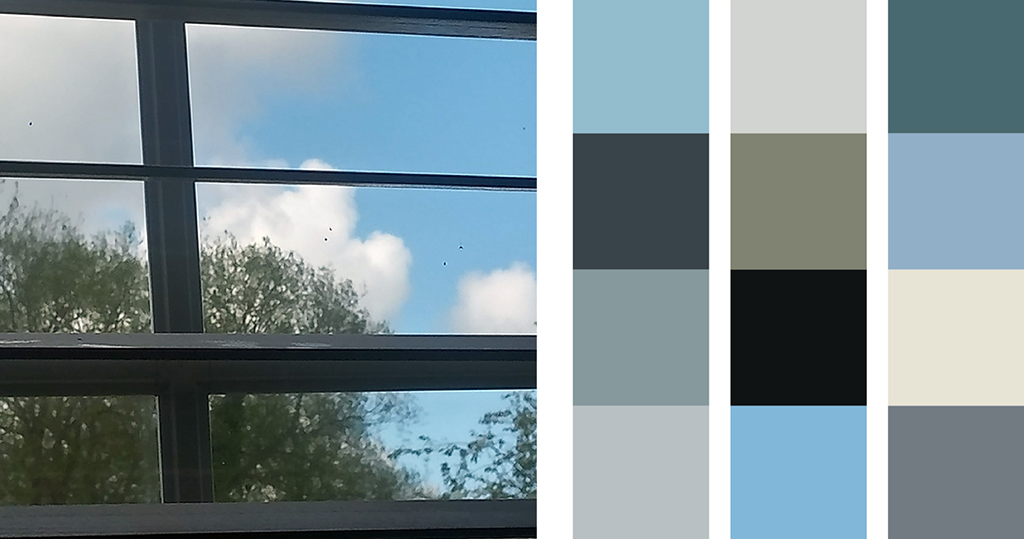
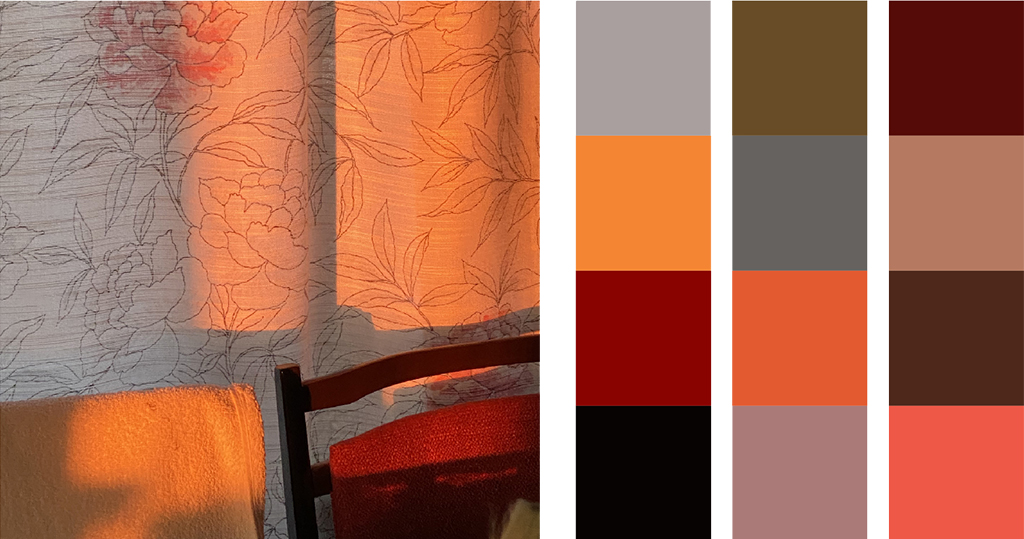
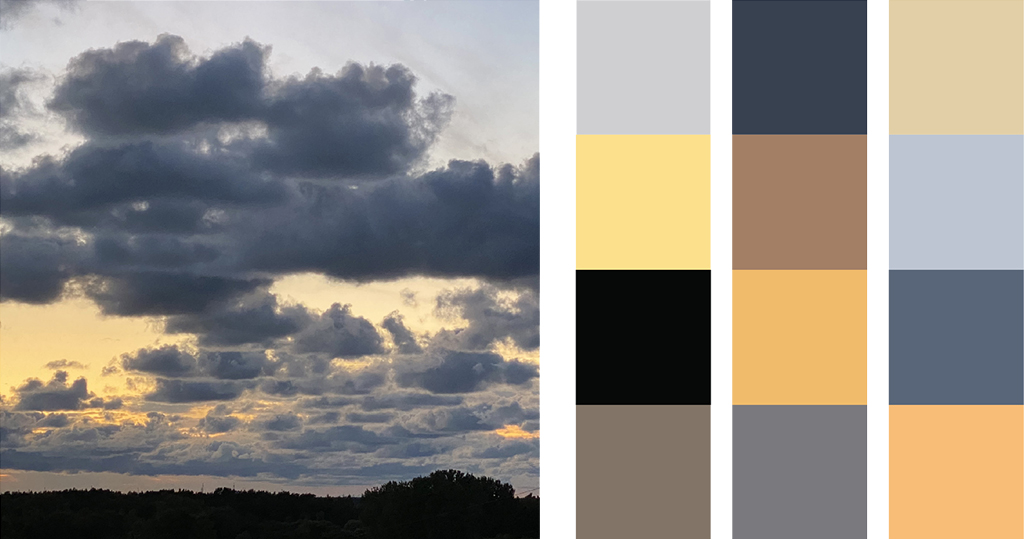
If what is desired is something truly novel then there is a danger in the review approach. That is that it generates incremental development (or at best a new work which is clearly part of an existing body of work) instead of the realisation of something truly distinct.
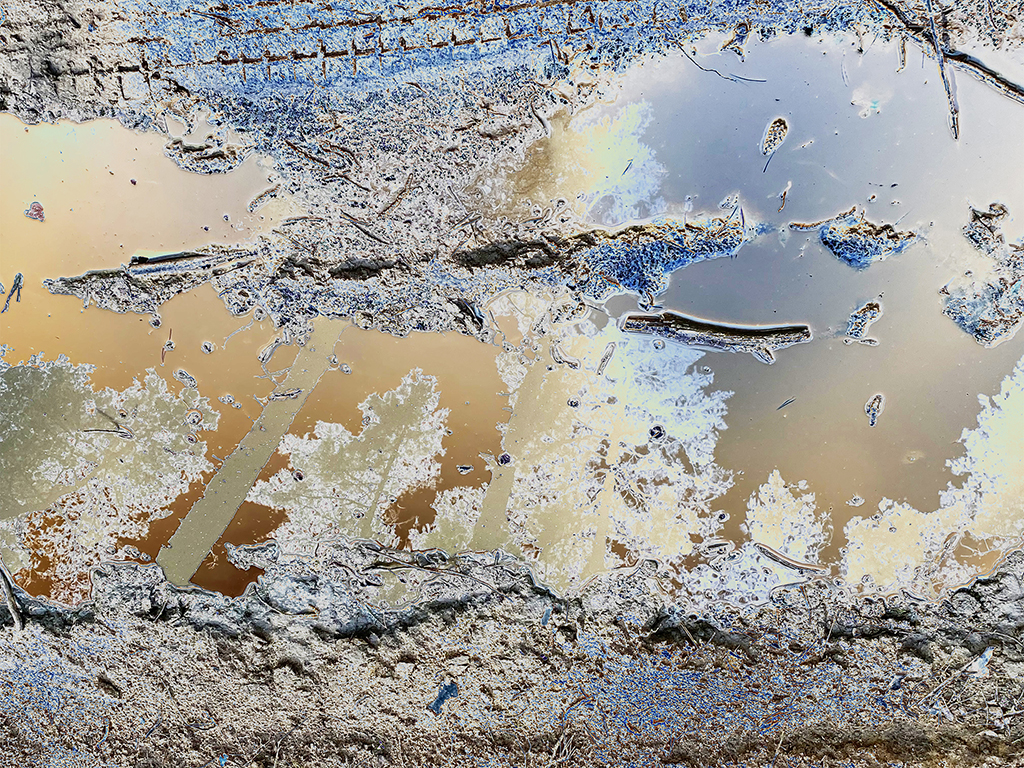
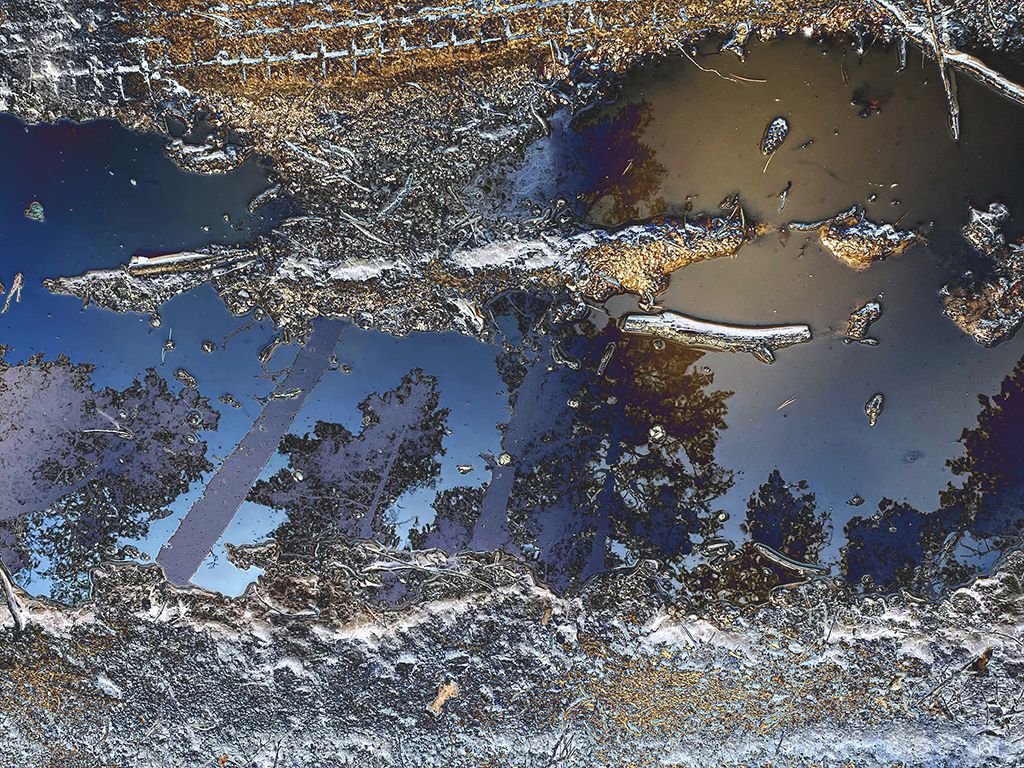
A well-known and often referred to example of seeking to ‘get in the zone’ in supernatural pursuit of making a “dream” tangible is In The Circular Ruins[1] by Argentine writer Jorge Luis Borges, where the protagonist having spent the whole story trying to create finds out that he himself is a creation by somebody else. Amongst other thought-provoking ideas in the piece this illustrates the iterative nature of creativity and how one thing leads to another. This is what we choose to call Sequential Inspiration, where the output(s) of a previous process becomes the input(s) to a new one.
Sequential Inspiration can occur in two ways. Proactively when deliberate reflection results in a previously unrealised connection between two familiar concepts or reactively when a new exposure generates a spark. In this regard, it can be said that there is no such thing as ‘blank canvas’.
What the above shows is that both a library of experience and the conditions that allows the connections to be made are essential. Borges goes to great lengths to describe how the protagonist struggles forcibly to create the necessary mind set for creation which eventually happens but at a least expected moment.
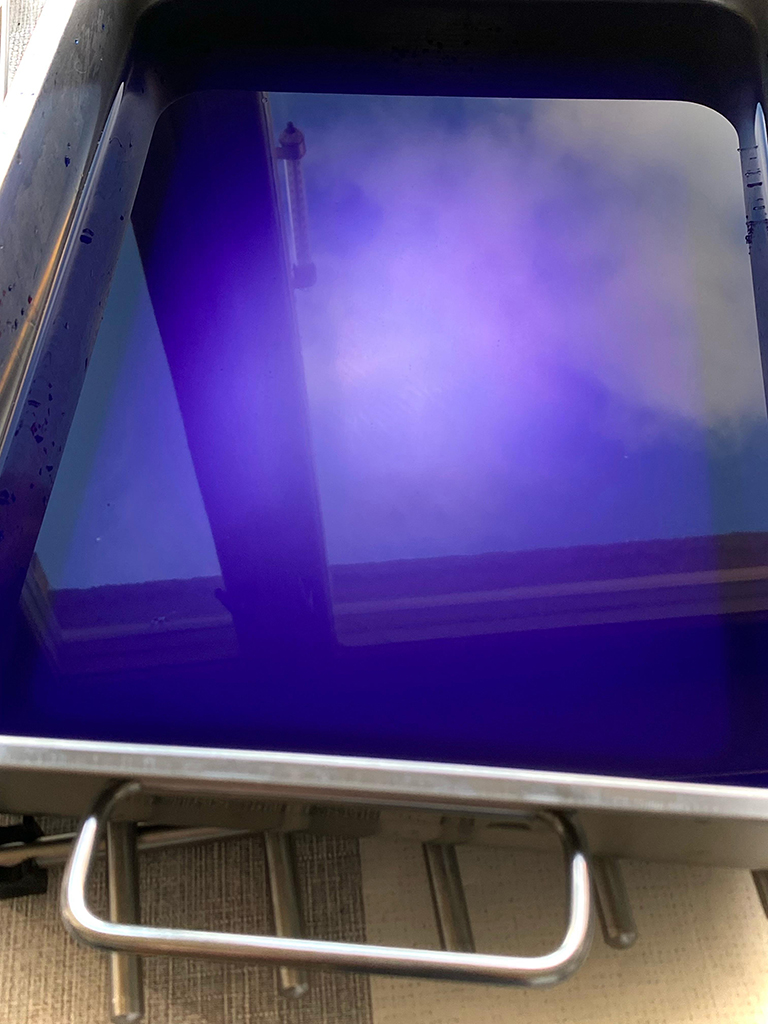
However, there is a third ingredient and that is the ability to seize that moment and turn inspiration into action.
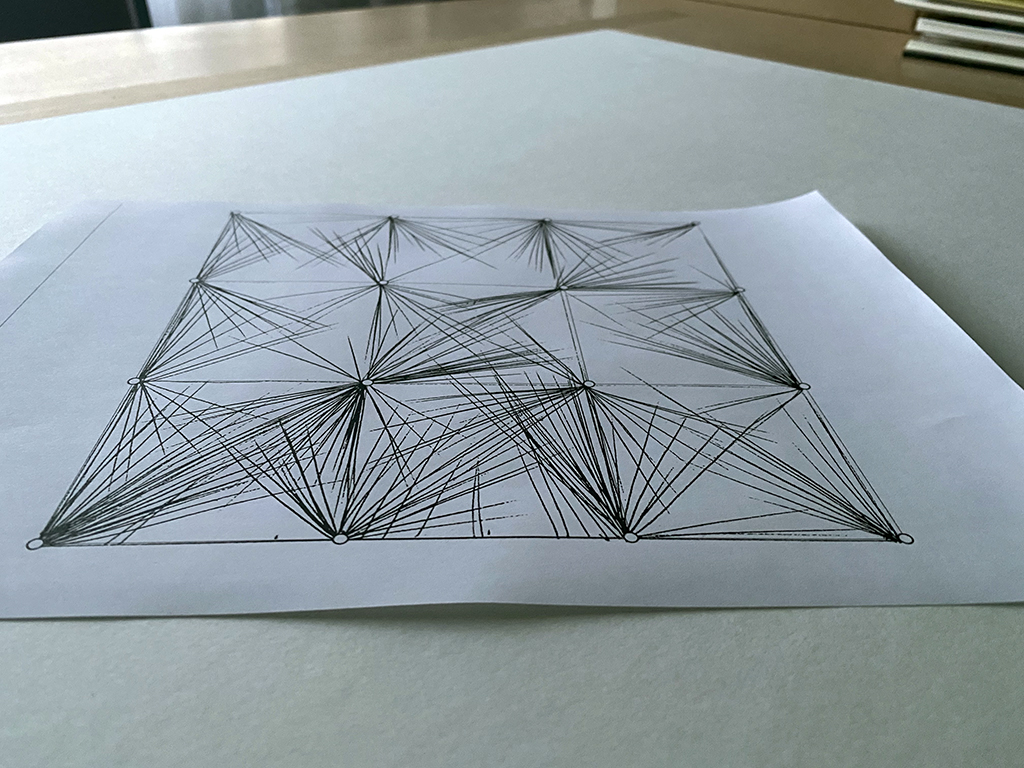
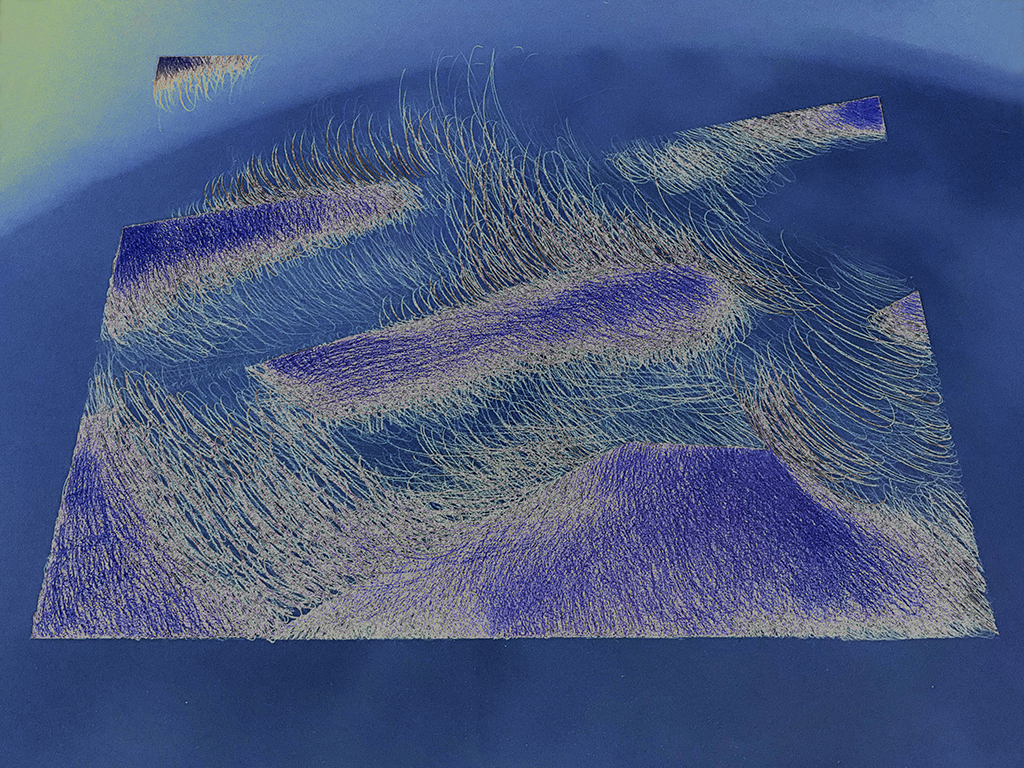
There is another aspect to consider, the nonlinear nature of creativity. There can be long periods between instances of creativity or there can be hyper-intense spurts of work where artists are desperate to leverage ‘being in the zone’. Nevertheless, regardless of intervals it is still sequential inspiration – input, process, output, and how long it takes in-between is irrelevant to the definition of sequential inspiration.
Of course, with the passage of time human memory of detail becomes less precise, either detail apparent at the time of original experience is obscured or additional embellishments are added. Fortunately, this creates two opportunities to initiate creation as reflecting on the original in the abstract can take advantage of embellishments whilst reviewing the original source methodically can revive a half-forgotten detail. In either case the review process can forge a link with something more recently experienced.
Another example of the non-linear nature is creativity crossing medias. Something seen and known in one field can be linked in a way that it generates an output in a different one provided the creator has at least some familiarity with both. In other words, the larger the library the wider the output possibilities and the potential for exponential growth as the latest output becomes available as next input.

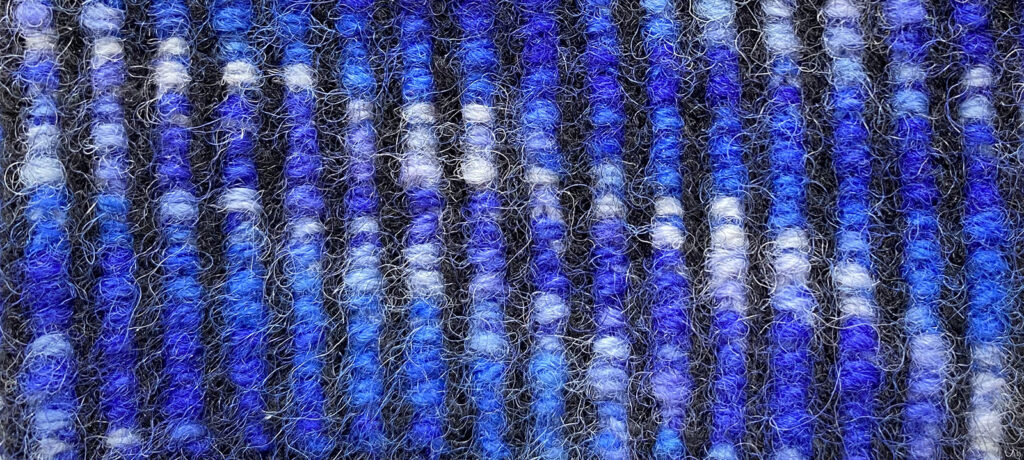
Exactly what the next output will be is unpredictable as it depends on what previous experiences it gets connected to, which can be a part of the excitement or misery of creation, however, in seeing the answer to the question “Where am I going?” the likelihood is it can be found by realisation of “Where have I been?”.
[1] The Circular Ruins (Spanish: Las ruinas circulares) is a short story by Argentine author Jorge Luis Borges.
 By
By